Categories
City Research, home buyingPublished August 31, 2026
New Construction Homes in Massachusetts: What Buyers Should Know in 2026

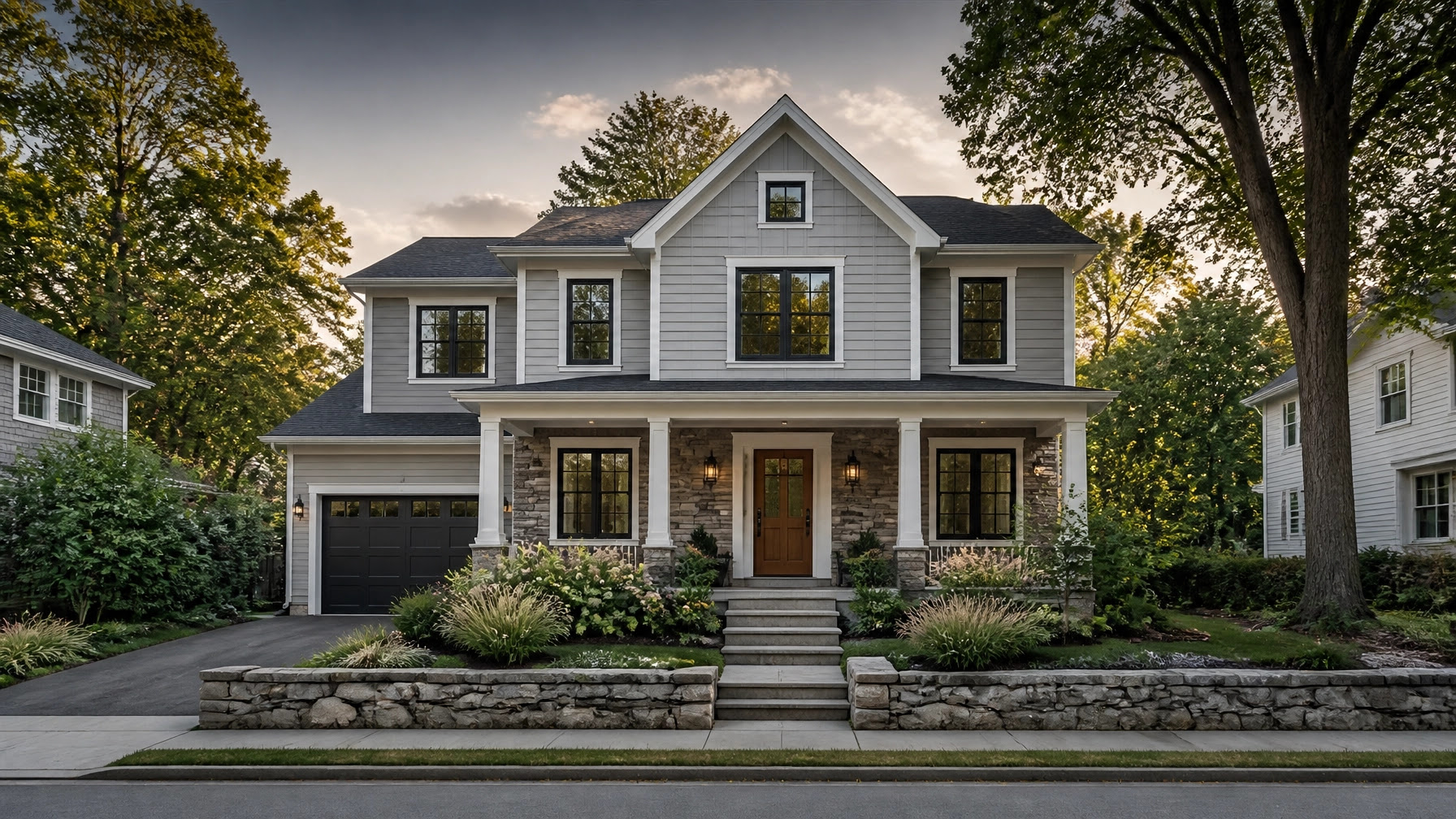
New construction is reshaping the way buyers think about homeownership across Massachusetts: and the opportunity extends beyond the state line.
From energy-efficient townhomes near transit to thoughtfully designed single-family homes in charming suburban communities, new construction homes in Massachusetts are attracting first-time buyers, move-up buyers, investors, and families planning for the future. Interest is also growing in new construction homes Rhode Island, particularly across communities connected to southeastern Massachusetts and Greater Boston.
At J Brown Realty, we are building out our new construction division to help buyers and sellers navigate this evolving market. That includes assisting buyers with new developments, supporting sellers and landowners, and developing relationships with builders and developers who want local expertise, strong marketing, and a smooth path from concept to closing.
Absolutely. New construction deserves a different strategy.
The 2026 New Construction Snapshot 
Massachusetts remains a high-demand housing market, but the new construction landscape is not uniform.
Recent 2026 market reports point to:
- Limited inventory for new single-family homes in Greater Boston.
- Continued development of condos, townhomes, and multifamily communities.
- Mortgage rates generally in the mid-6% range, depending on the borrower and loan program.
- A growing focus on energy efficiency, updated building standards, and resilient design.
- More negotiating room in certain urban condo developments than in highly competitive suburban single-family markets.
One recent Greater Boston housing report card noted that new housing permits remained below earlier levels, while market reports from Matthews point to substantial multifamily construction across Boston-area submarkets.
What does that mean for you?
New construction may offer modern design and lower near-term maintenance, but desirable homes can still move quickly. Your best advantage is preparation.
.jpg)
What Buyers Should Know Before You Buy
1. Decide what “new construction” means for you
Not every new home purchase follows the same process. You may be considering:
- A completed spec home
The home is already built or nearly complete. You can usually use a standard mortgage and close after final inspections and the certificate of occupancy. - A home under construction
You purchase while construction is underway. You may have some choice of finishes, but the timeline can change. - A semi-custom home
The builder offers a set of plans with options for layouts, finishes, and upgrades. - A fully custom build
You may own the lot and hire a builder, architect, and other professionals. Construction-to-permanent financing may be required.
Your timeline, contract, financing, inspection rights, and risk can vary significantly depending on which option you choose.
2. Get pre-approved early
A pre-approval helps you understand your purchasing power before you fall in love with a floor plan.
Your lender will typically review:
- Income and employment history.
- Credit profile.
- Assets and available funds.
- Existing debts.
- Tax returns, pay stubs, and bank statements.
- Down payment and closing-cost resources.
J Brown Realty can help connect you with lending professionals and guide you through the financing process from pre-approval to closing. Learn more about the home loan process.
For eligible Massachusetts buyers, assistance programs may be available through organizations such as MassHousing. Program requirements and funding can change, so confirm current terms directly with an approved lender.
If you are exploring new construction homes Rhode Island, RIHousing offers mortgage and assistance programs for eligible buyers. Its FirstGenHomeRI program may provide qualifying first-generation homebuyers with up to $25,000 toward down payment or closing costs, subject to program rules and available funds.
3. Budget for more than the base price
The advertised price is not always the final price.
Ask whether the purchase price includes:
- Appliances.
- Window treatments.
- Light fixtures.
- Landscaping and fencing.
- Driveway or walkway completion.
- Finished basement space.
- Decks or patios.
- Central air conditioning.
- Premium flooring, cabinets, and countertops.
- Homeowners’ association or condominium fees.
Upgrades can add up quickly. Before signing, request an itemized list of included features, allowances, selections, and upgrade costs.
Then keep a reserve for moving expenses, window coverings, furniture, and the unexpected.
4. Use independent inspections
A brand-new home is not automatically a perfect home.
Municipal inspections confirm code compliance. Your independent inspector evaluates the property from your perspective as the buyer.
Consider scheduling:
- A pre-drywall inspection.
- A near-completion inspection.
- A final inspection or walkthrough.
- A punch-list review after corrections are made.
In Massachusetts, buyers should also become familiar with current home inspection requirements and consult their attorney or real estate professional about how those rules apply to their transaction. The state’s home inspection guidance is a useful starting point.
In Rhode Island, inspection rights and contract timelines should be carefully reviewed with your agent and attorney. New construction still deserves independent eyes.
5. Read the warranty carefully
A builder warranty is valuable: but it is not a substitute for due diligence.
Ask for the written warranty before closing. Confirm:
- How long workmanship is covered.
- Which mechanical systems are included.
- What structural components are covered.
- Which items are excluded.
- How you submit a claim.
- How quickly the builder responds.
- Whether appliances have separate manufacturer warranties.
- Whether arbitration or other dispute-resolution terms apply.
Do not rely on a verbal promise. If a repair, finish, appliance, or feature matters to you, put it in writing.
6. Look beyond the model home
A model home is designed to inspire you. That is its job.
Your job is to investigate the community.
Review:
- The actual specifications for your home.
- The builder’s completed projects.
- The development’s future phases.
- Planned roads, amenities, and neighboring construction.
- School, park, transportation, and retail access.
- Property taxes and HOA or condo fees.
- Drainage, grading, utilities, and maintenance responsibilities.
The insider perspective matters here. A beautiful home is only part of the story. You also want a location that supports your daily life: whether that means a manageable commute, access to parks, nearby schools, convenient shopping, or a growing local culinary scene.
What Sellers and Developers Should Know 
New construction is not only a buyer opportunity. It is also a major business opportunity for builders, developers, landowners, and homeowners whose properties compete with new inventory.
For homeowners selling an existing property
A new home may be your competition. Buyers may compare your older property with a new build offering modern systems, open layouts, energy-efficient windows, and builder warranties.
That does not mean your home cannot stand out.
Your strategy should focus on:
- Accurate pricing based on current comparable properties.
- Improvements that buyers can understand and value.
- Strong photography and digital presentation.
- Clear communication about updates and maintenance.
- Location advantages that new developments may not offer.
- A marketing plan that reaches qualified buyers quickly.
Use J Brown Realty’s Home Valuation Tool to begin understanding your property’s current market position. Our team can also prepare a more detailed comparative analysis using active, pending, and recently sold properties.
For builders, developers, and landowners
A successful project requires more than construction expertise. It requires market intelligence.
Before breaking ground, developers need to understand:
- Which floor plans buyers are actually seeking.
- What price points the market can support.
- Whether buyers prefer condos, townhomes, or detached homes.
- Which amenities create real value.
- How nearby schools, transportation, parks, and businesses affect demand.
- How to position the project before completion.
- How to build a strong pre-sale and marketing strategy.
This is where J Brown Realty’s growing new construction division is focused.
The developer perspective: an important part of the conversations surrounding Jamal Adrien’s work and the Rehoboth market: reminds us that real estate is both a housing business and a community-building business. A development should respond to how people live, commute, gather, and plan for the future.
That requires collaboration.
J Brown Realty welcomes conversations with developers who are planning new projects in Massachusetts, Rhode Island, and the Greater Boston region. We can help connect market knowledge with buyer demand, listing strategy, and local visibility.
.jpg)
Why Buyers Should Start Looking Now
You do not have to make an immediate offer to benefit from early research.
Start by:
- Defining your preferred towns and neighborhoods.
- Comparing new construction with resale homes.
- Getting pre-approved.
- Touring completed and under-construction communities.
- Reviewing builder warranties and specifications.
- Tracking new listings and development announcements.
- Speaking with a real estate professional before signing a builder contract.
You can search current listings on the J Brown Realty website and create alerts so you know when new properties become available.
The earlier you begin, the more clearly you can identify the right fit: and the less likely you are to make a rushed decision based only on a beautiful model kitchen.
.jpg)
A Note from J Brown Realty
Our new construction division is growing with intention.
We are committed to bringing buyers practical guidance, giving sellers thoughtful representation, and supporting builders and developers with the professionalism, communication, and grit required to move a project forward.
New homes can create more than new addresses. They can create opportunity, stability, and vibrant communities.
That is the goal.
Ready to Explore New Construction in 2026?
Whether you are searching for new construction homes in Massachusetts, exploring new construction homes Rhode Island, or looking for a new home in Greater Boston, J Brown Realty is ready to help.
- Search new listings.
- Explore buying resources.
- Request a personalized consultation.
- Find out what your current home may be worth.
- Builders and developers: connect with our team to discuss partnership opportunities.
Your next chapter may be under construction.
Let’s build the right plan for it.
or another way